Manufacturing’s Forced Evolution
Between 2020 and 2024, manufacturers faced unprecedented levels of supply chain disruption. Port delays, container shortages, and fluctuating raw material availability exposed the fragility of global sourcing strategies. As costs climbed higher and lead times extended, it became clear to OEMs, Tier 1 suppliers, and component manufacturers that depending on raw materials arriving on time and to spec would leave them vulnerable. In order to survive the pandemic, they had to adapt to inconsistent supply and develop processes to move forward when upstream inputs didn’t meet expectations. Often, this included investing in new equipment, such as industrial straightening machines, to correct distorted components. Thankfully, we’ve put the pandemic behind us, and while some disruptions were resolved quickly, others have left lasting marks on procurement timelines, material consistency, and operational reliability.
COVID-19’s Lasting Effects on Material Variability
During the pandemic, raw materials often arrived late and out of spec. Shaft stock or tubes showed up bowed, and profiles were twisted and warped. Variations in yield strength or dimensional tolerances from batch to batch became commonplace as manufacturers were forced to switch between international and domestic suppliers. Material inconsistency and production delays created significant downstream problems, especially for precision-driven components such as motor shafts, hydraulic rods, and structural weldments. It was an everyday occurrence for production to slow as each new workpiece coming through took more time to process, due to these inconsistencies.
Even today, material variability and supply chain disruptions can bring production to a halt. While the current global supply chain flow is more reliable than it was five years ago, it is nowhere near the level of cost-efficiency as it was at the height of globalization. One major storm or geopolitical tantrum can force manufacturers to seek alternative suppliers, resulting in inconsistent materials. Unexpected material variability remains one of the most common causes of scrap and schedule delays.
Industrial Straightening Machines Built for Today’s Manufacturing Landscape
The post-pandemic manufacturing landscape demands operational resilience and flexibility. The key to which is absorbing as much of the process in-house as possible, reducing reliance on third-party vendors, and preventing additional delays and expenses. Smart investments in automated industrial straightening machines, for example, will help offset inconsistencies by allowing manufacturers to quickly make corrections and adjustments for:
- Shaft deflection & tube warping
- Differing profiles and material specs
- Pre-machined & post-machined parts
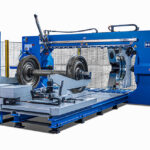
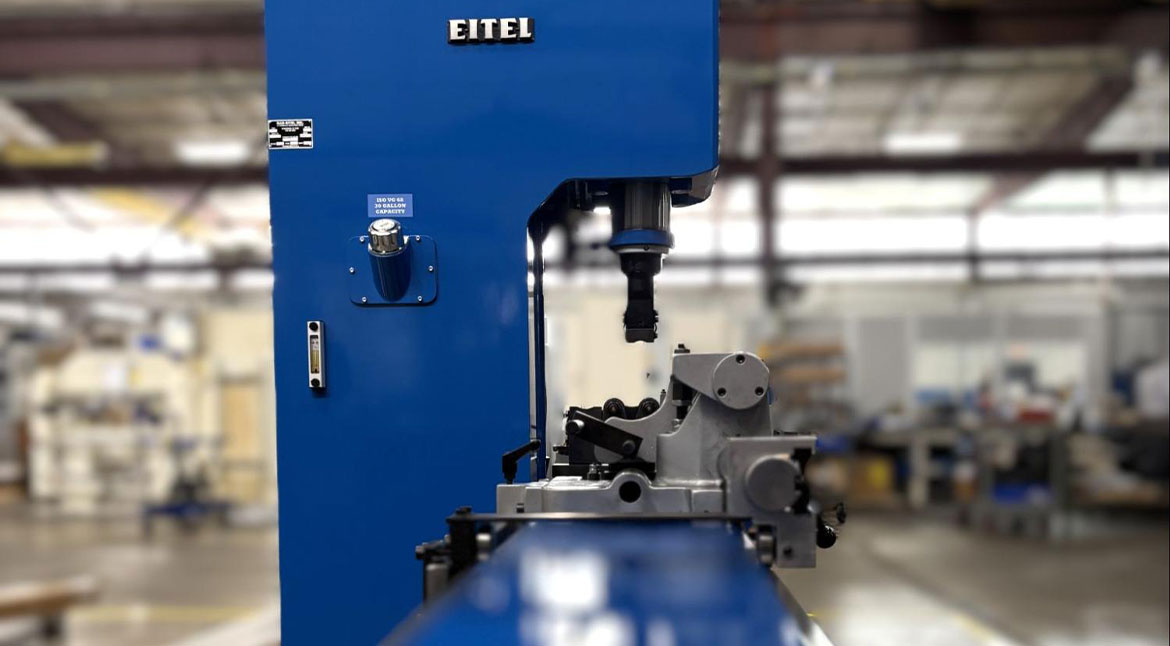
MAE-Eitel industrial straightening machines are engineered for manufacturing environments where speed and precision matter, but material consistency can’t be assumed. With programmable stroke control, closed-loop measurement capabilities, and flexible tooling, our straightening equipment empowers manufacturers to address material variability without over-ordering, re-ordering, or returning raw materials. In-house straightening systems reduce downtime, material waste, and labor by allowing operators to recover from input variations in minutes instead of days.
Designed to Support Proactive Flexibility
The pandemic may be behind us, but manufacturers still benefit from proactively addressing supply chain disruptions and material variabilities. MAE-Eitel industrial straightening machines allow operators to regain control where variability once caused bottlenecks, keeping production moving, ensuring part quality, and reducing lead times. From simple shafts and wheelsets to complex forged and welded parts, MAE-Eitel’s customized tooling ensures precision across all applications and provides the flexibility required for modern operational resilience.
Built in the U.S. and backed by decades of engineering experience, MAE-Eitel straightening machines are designed to meet the evolving needs of modern manufacturing. Whether producing short-run specialty parts or high-volume components, we deliver the flexibility and control required to navigate today’s volatile manufacturing demands.
The Right Equipment Makes Uncertainty Manageable
The manufacturers who emerged strongest from the last few years weren’t always the biggest or fastest. They were the ones equipped to adapt. When specs drifted, shipments became delayed, or materials arrived out of tolerance, they had the tools in place to keep production moving. MAE-Eitel industrial straightening machines are built to do exactly that. By enabling in-house correction of shafts, tubes, and profiles, manufacturers can reduce downtime, cut scrap, and stay in control of quality.
It’s not about expecting perfection from your suppliers—it’s about being ready when things don’t go as planned. MAE-Eitel’s experts are standing by, ready to discuss how their flexible straightening systems can strengthen your operations and support your next generation of production. Contact us today to get started!